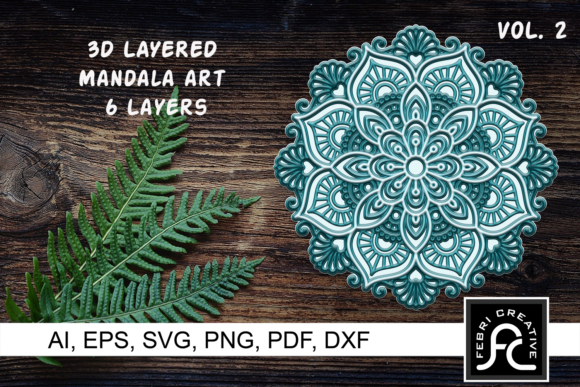
3D Layered Mandala Art: A Versatile SVG Design Asset for Creative Projects
As a seasoned graphic designer working across branding, packaging, and digital content creation, I always look for design assets that offer both visual impact and functional flexibility. Recently, I had the opportunity to review 3D Layered Mandala Art as part of a project for a client launching an eco-conscious handmade brand. The goal was to create a cohesive and visually rich identity that would stand out in the crowded wellness niche. This 3D SVG mandala caught my attention immediately for its intricate detail and layered depth.
Aesthetic First Impressions and Visual Mood
The first thing I noticed about this design asset is how it evokes a sense of calm and harmony—perfect for wellness, spirituality, or nature-themed brands. The 3D effect adds dimensionality without feeling cluttered, which is a common pitfall with many flat mandalas. It has a handcrafted feel while maintaining a modern edge due to the clean lines and structured layering. This balance makes it adaptable to both minimalist and maximalist design styles.
Ideally suited for clients who want to infuse their visuals with a touch of creativity and cultural symbolism, this mandala art works especially well for small businesses aiming to build a unique and memorable brand identity. Its detailed structure can be used to express sophistication and intentionality, aligning with the values of a thoughtful handmade business.
Real-World Application in Brand Identity and Marketing
One of the key considerations when using any graphic design asset is how it translates into real-world applications. In the case of 3D Layered Mandala Art, I found it particularly effective in several areas:
- Product Labels and Packaging Design: The mandala’s central focus and symmetry made it ideal for wrapping labels and box designs. When placed behind product names or logos, it added a subtle texture without overwhelming the text.
- Editorial and Social Media Graphics: For blog headers and Instagram posts, the mandala provided a decorative backdrop that enhanced the mood. It worked best in larger formats where the layers could be appreciated at full scale.
- T-Shirt and Merchandise Designs: The layered structure allowed for creative layering options in print-on-demand workflows. I tested it on mockups and found it looked stunning when printed in full color but also retained enough detail in black-and-white for simpler merchandise like mugs or tote bags.
- Invitations and Printables: As part of a themed printable wall art bundle, the mandala added a mystical flair. It was easily editable via SVG format, making it possible to adjust colors and spacing to match the client's brand palette.
Where This Design Shines
This asset excels in environments where there's room for visual storytelling. Here are some specific use cases where it performed exceptionally well:
- Large Layout Areas: On posters and hero graphics, the mandala anchored the composition and brought a sense of unity and elegance.
- Hero Graphics and Themed Collections: Used as background elements, it helped set the tone for seasonal campaigns and holiday promotions, especially in the yoga, meditation, and self-care sectors.
- Cricut Projects and Sticker Design: The layered SVGs allowed for precise cutting and layering, making it perfect for DIY enthusiasts and crafters looking to create tactile, high-quality stickers or wall decors.
- Commercial Design Assets: The ZIP file included seven SVG files, one with all six layers combined and others separated by element. This modularity was a huge plus for customizing the mandala to fit different layout needs.
Design Considerations and Limitations
While the 3D Layered Mandala Art is undeniably beautiful, it’s not suitable for every project. Here are a few places where I’d recommend using it carefully:
- Small Sizes: When scaled down for buttons, icons, or micro-designs, the complexity of the mandala becomes less legible and more pixelated if not handled properly.
- Crowded Layouts: If your design already has multiple focal points, adding a layered mandala might disrupt the visual hierarchy rather than enhance it.
- Minimalist Branding: Clients with a preference for sleek, modern aesthetics may find the mandala too ornate unless simplified significantly.
- Professional Corporate Materials: While it can work in some contexts, the mandala is better suited for lifestyle, fashion, or artisanal brands rather than formal corporate presentations or reports.
Evaluating Readability and Brand Consistency
When integrating this design into layouts with text, I prioritized testing its compatibility with different font styles. The mandala paired beautifully with serif fonts for a classic look and added contrast when used with sans-serif or script fonts for a more modern or whimsical aesthetic. However, when using handwritten or display fonts, I had to ensure the mandala didn’t compete for attention.
It’s important to maintain visual hierarchy even with complex assets like this one. I found that placing the mandala as a background or secondary accent often preserved clarity and kept the message front and center. That said, if the client wanted the mandala as a primary motif, I adjusted the layout accordingly to support its prominence without sacrificing readability.
Technical Performance and File Formats
From a technical standpoint, the SVG design was highly editable and scalable, which is crucial for professional use. I tested each layer separately and found them easy to manipulate in Adobe Illustrator and Figma. The ZIP download contained everything needed for a smooth workflow, including layered SVGs and a combined version for quick application.
If PNG files were included (which they weren’t in this particular bundle), I would have checked their transparency and resolution for print and web use. Since it was an SVG-only download, I focused on ensuring that the paths were clean and the anchor points manageable. No clipping issues arose during editing or exporting, which is a good sign for commercial viability.
Practical Designer Notes Before Going Live
Before committing to using this creative design in a client project, here are some steps I recommend taking:
- Test in Black and White: See if the mandala retains its form and impact when desaturated. This helps determine its versatility for grayscale printing or monochrome branding.
- Check Contrast on Light and Dark Backgrounds: Evaluate how the mandala interacts with different color schemes. It performed best on light backgrounds with dark accents, preserving its intricate details.
- Preview at Small and Large Sizes: Confirm that the design holds up when resized for social media thumbnails or large-format signage.
- Place on Real Mockups: Use it in actual product mockups to see how it looks in context. I did this for t-shirts, mugs, and tote bags, and the results were consistently positive.
- Review Commercial Licensing: Always confirm the terms of use before applying the design to client work. In this case, the product description didn’t specify licensing, so I reached out to the seller for clarification—a necessary step for ethical and legal design practice.
Why This Is a Useful Creative Asset
What makes 3D Layered Mandala Art stand out isn’t just its beauty—it’s its adaptability. Whether you're designing for an Etsy shop, a print-on-demand line, or a Canva template for a boutique brand, this asset brings a level of polish that’s hard to achieve from scratch. The layered approach allows for customization, which is essential when tailoring design assets to specific brand guidelines.
Its potential to elevate brand identity and add emotional appeal is significant. In the project I worked on, the mandala became a signature element across all marketing visuals, helping establish a strong visual language that resonated with the target audience. It supported the overall impression of mindfulness and quality that the client wanted to communicate.
Final Thoughts on Using 3D Layered Mandala Art
In conclusion, the 3D Layered Mandala Art is a compelling addition to any designer’s toolkit—especially those working with handmade brands, wellness products, or creative marketplaces. It offers a unique blend of traditional symbolism and modern design execution, making it a powerful tool for creating engaging design bundles or standalone SVG illustrations.
However, as with any design asset, success depends on thoughtful placement and understanding of its strengths and limitations. It’s not a one-size-fits-all solution, but when applied correctly, it can make a lasting impression and contribute to a more cohesive and emotionally resonant design outcome.