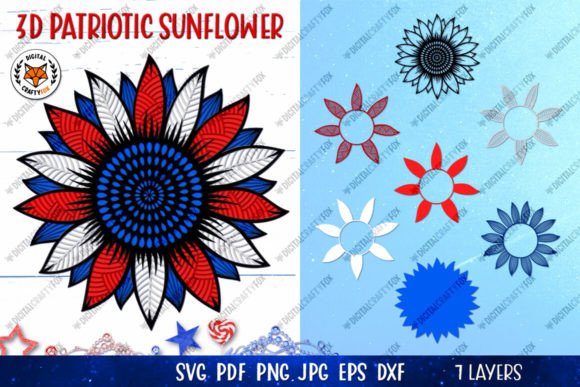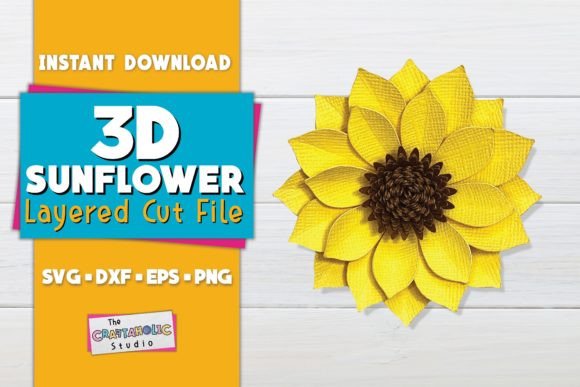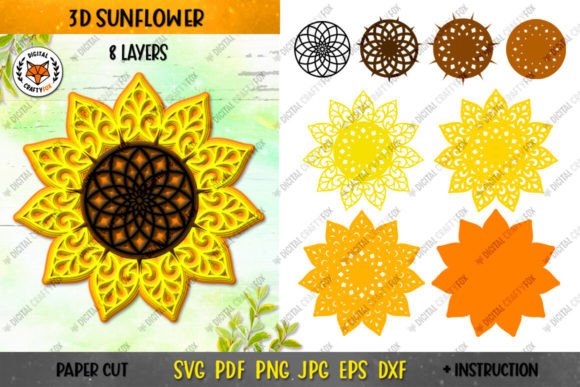
3D Sunflower Mandala Layered Flower SVG Review
Design Performance Across Different Embroidery Projects
Custom Apparel: On sweatshirts and t-shirts, the 3D Sunflower Mandala works best as a central design. Its size and complexity mean it needs adequate space, ideally within a hoop no smaller than 6x6 inches. For a more modern look, consider using metallic threads for the outer petals.
Baby Items: When used for baby clothes or accessories like onesies or blankets, the mandala offers a gentle, whimsical aesthetic. But due to the delicate nature of the design, it’s important to test stitch density on soft, stretchy fabrics like cotton interlock to avoid distortion or puckering.
Patches and Aprons: As an embroidered patch or on aprons, the mandala adds a touch of elegance. Since these items often get frequent handling, the design should be stitched with durable threads and reinforced stabilizers to ensure longevity.
Pillow Covers and Tea Towels: These projects allow for a bit more flexibility. Pillow covers made from quilting cotton or linen can showcase the mandala beautifully, while tea towels offer a canvas for experimenting with contrast—especially if you plan to print them digitally later as part of a printable mockup set.
Holiday and Wedding Gifts: The mandala’s organic form makes it a great fit for holiday gifts or wedding favors. Stitched onto muslin or felt, it can become part of a decorative wall hanging or embroidered ornament. Just keep in mind that darker backgrounds may reduce the visibility of lighter thread colors.
When to Use With Caution
- Small Hoop Sizes: The design is too detailed and expansive for anything less than a 6x6 inch hoop. Attempting to shrink it without adjusting stitch count could lead to loss of detail and poor coverage.
- Textured or Thin Fabrics: Fabrics like flannel or jersey knit can cause issues with stitch definition. Always run a test on scrap material first.
- Stretchy Materials: Without proper stabilizer and tension control, the design may distort during the embroidery process.
- Dark Fabric Backgrounds: Thread colors won’t pop as effectively on dark bases. Consider reversing some elements or using white threads for highlights.
- Curved Surfaces: Embroidering this design on caps or curved areas requires precise alignment and possibly some manual tweaking of the layers to prevent misalignment after sewing.
Designer Notes: Practical Tips for Real Projects
- Test on Scrap Fabric: Especially if you're planning to use it on stretchy or thin materials.
- Check Thread Color Contrast: Make sure your chosen thread colors stand out against the base fabric.
- Review Stitch Density: Areas with high concentration of fill stitches may need adjustments to prevent overstuffing or fabric damage.
- Confirm Hoop Size: Don't assume the design fits; always verify the recommended hoop dimensions.
- Inspect Small Details: The mandala contains fine elements that may not render well on all machines or fabrics.
- Use Proper Stabilizer: Backing or tear-away stabilizer can help maintain shape and clarity, especially on delicate materials.
- Test in Black and White: This helps assess how the design reads without relying solely on color choices.
- Compare Light and Dark Fabrics: You’ll want to see how the design behaves under different lighting conditions and on various background shades.
- Check Licensing Terms: If you’re selling finished products or digital assets, confirm whether the design is appropriate for commercial embroidery use.