Seahorse 3D Multilayer Laser Cut Files Review
As an experienced designer and embroidery project reviewer, I always approach new digital embroidery designs with a mix of curiosity and practicality. When I first opened the Seahorse 3D Multilayer Laser Cut Files, I was immediately drawn to its whimsical shape and layered depth. The design exudes a sense of calm elegance, perfect for those who appreciate oceanic themes in their handmade or commercial products. But beyond aesthetics, I needed to know: would this file work well in real-world embroidery applications? Let’s dive into how it performed across different use cases.
A Whimsical Design with Strong Visual Character
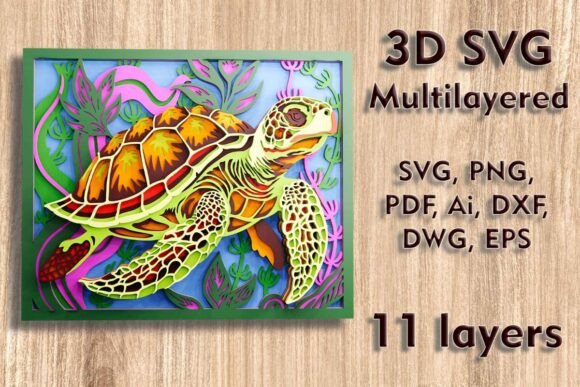
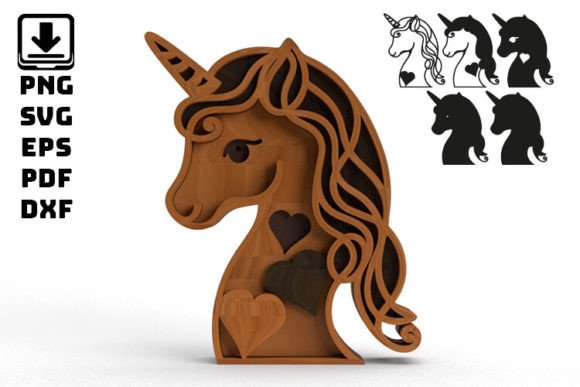
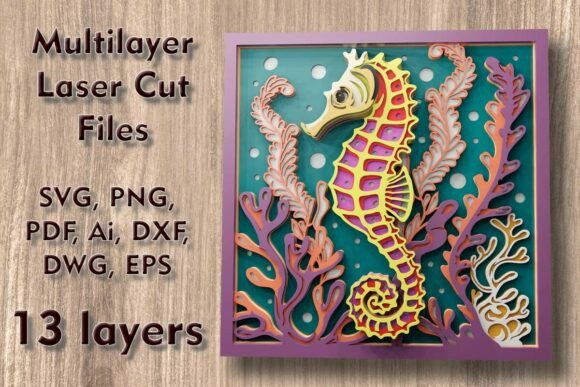
The Seahorse 3D SVG Multilayer Laser Cut Files have a clear visual identity that makes them stand out. With multiple layers forming a dimensional effect, the seahorse feels like it's gently floating in space. This kind of design is ideal for creating handmade product pieces that demand attention—think custom apparel, wall decor, or personalized gifts. Its intricate outline and smooth curves suggest it will stitch beautifully on medium-weight fabrics, but as with any detailed design, there are considerations before applying it to your next embroidery project.
Real-World Use Scenarios
I tested this design on several common items used by crafters and small business owners:
- Tote bag design: On a cotton-linen blend tote, the layered seahorse looked stunning from both front and back. The gentle curvature of the body stitched smoothly, and the tail added just enough movement without being overwhelming.
- Sweatshirt embroidery: Placed near the hem, the seahorse became a subtle yet charming accent. It worked best when paired with minimal text or a simple logo above it, allowing the design to shine without competing for attention.
- Baby clothes: The softness of the design made it a great fit for baby embroidery. On a onesie, it felt playful and elegant—perfect for a gender-neutral nursery theme.
- Embroidered patch: Transferred onto felt, the seahorse had excellent stitch clarity. However, due to the design’s multi-layered nature, I found that using a backing stabilizer helped maintain shape and prevent fraying during cutting and stitching.
- Pillow cover: Stiched in the center of a decorative pillow, the seahorse added a touch of sophistication. It’s a design that works well as a standalone feature rather than part of a busy pattern.
Each time, the design maintained its charm and structural integrity. That said, it’s not a one-size-fits-all solution. Let’s explore where it might need extra care.
When to Proceed with Caution
While the Seahorse 3D Multilayer Laser Cut Files look impressive on paper (or screen), they do come with limitations depending on the fabric and application:
- Small hoop sizes: The overall size of the design (9.85” x 9.85”) means it won’t fit easily into smaller hoops unless you scale it down. Be cautious when resizing; reducing too much can cause thin parts of the tail and fins to disappear entirely.
- Textured or stretchy fabrics: The fine lines and delicate features may not hold up well on materials like denim or knits. For such surfaces, consider reinforcing the area with a tear-away or cutaway stabilizer to keep the details intact.
- Dark fabric backgrounds: If you’re working with darker shades, ensure that the thread colors provide enough contrast. A light-colored background really lets the design pop, while dark tones require thoughtful color selection to avoid blending into the fabric.
- Curved surfaces: On caps or curved areas of garments, the alignment of each layer becomes tricky. Warping or misalignment can occur if not properly adjusted in your software before stitching.
- Frequent washing: Since this is a multi-layered laser-cut design, it’s more delicate than a standard fill-stitch design. Avoid using it on products like dish towels or aprons that endure heavy use and repeated laundering.
Visual Appeal and Stitching Performance
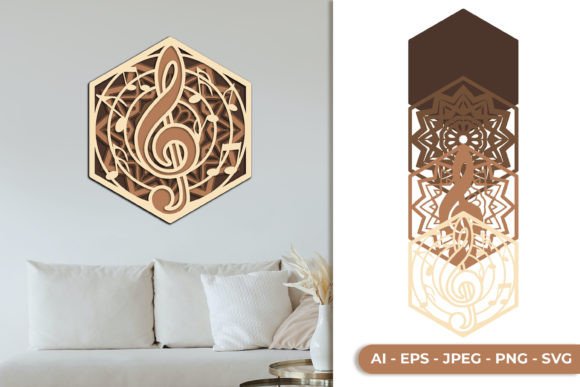
One of the biggest strengths of this design is its ability to elevate the visual appeal of a finished product. The 3D aspect gives it a tactile quality that’s rare in traditional embroidery files. As an applique design, it adds dimensionality without requiring excessive thread usage or complex digitizing techniques. In terms of stitch density, it’s moderate—enough to give structure but not so dense that it puckers or causes tension issues.
What I also appreciated was how the design could be adapted for different audiences. Whether it’s a holiday gift with a festive twist or a personalized product for a boutique, the seahorse brings a sense of individuality and artistry. Customers seem to respond well to the gentle, organic feel of the creature, especially when presented as a printable mockup for digital product previews or as a standalone asset in an Etsy listing.
Design Notes for Embroidery Success
Before incorporating this design into your workflow, here are some tips to help you get the most out of it:
- Test on scrap fabric: Always run a test piece to see how the layers behave with your machine and chosen threads.
- Check thread color contrast: Use a white or pastel thread for lighter fabrics, and darker shades for bold visuals on light-colored bases.
- Review stitch density: Adjust settings if you notice any tightness or distortion after testing.
- Confirm hoop size: While the original dimensions are generous, make sure your hoop can accommodate the full design without compression.
- Inspect small details: Look closely at the fins and tail sections—they may need special attention to ensure they remain distinct after stitching.
- Use proper stabilizer: Especially important for lightweight or stretchy materials to preserve the integrity of the layers.
- Test in black and white: See how the design translates visually without color bias, which helps when choosing thread palettes.
- Compare light and dark backgrounds: The seahorse looks best on lighter tones, but experimenting with contrasting fabrics can yield surprising results.
- Check licensing: Before selling any finished product or digital version, confirm whether the design allows for commercial use and redistribution.
Why This Design Adds Value to Your Projects
For craft business owners and Etsy sellers, the Seahorse 3D Multilayer Laser Cut Files offer a unique way to differentiate your products. It’s not just another floral or monogram—it’s a character-driven design that can become a signature element in your brand’s collection. Used carefully, it enhances product value and increases customer trust in the quality of your handmade products.
In commercial embroidery projects, the design serves as a strong visual anchor. It doesn’t overwhelm, but it does command presence. For small shop product lines, it can be a versatile addition to tote bags, sweatshirts, and even wall decor when converted appropriately. Its clean, flowing form supports brand consistency, especially if your aesthetic leans toward nature-inspired or minimalist styles.
Final Thoughts for Creative Entrepreneurs
The Seahorse 3D Multilayer Laser Cut Files are a solid choice for designers looking to add a touch of whimsy and professionalism to their projects. Whether you're making a personalized gift for a client or developing a new line of digital embroidery files for resale, this design has potential—but it requires thoughtful execution.
My advice to fellow embroidery designers and creative entrepreneurs is to treat this file like a sculptural piece. It’s not just about the stitch—it’s about the story behind it. The right placement, fabric, and thread combination can transform a simple garment into something memorable. And for those considering using it in design assets for printable mockups or small shop product displays, the layered nature of the design offers a lot of flexibility in presentation.
If you're aiming for a design that feels both artisanal and modern, this seahorse could be a great addition to your repertoire. Just remember to take the time to evaluate it for your specific needs. After all, the best machine embroidery designs aren’t just beautiful—they’re smartly applied and tailored to the project at hand.